PHOTOS COURTESY OF MANAGEMENT SISEON AND MOSUPHOTOS COURTESY OF MANAGEMENT SISEON AND MOSU
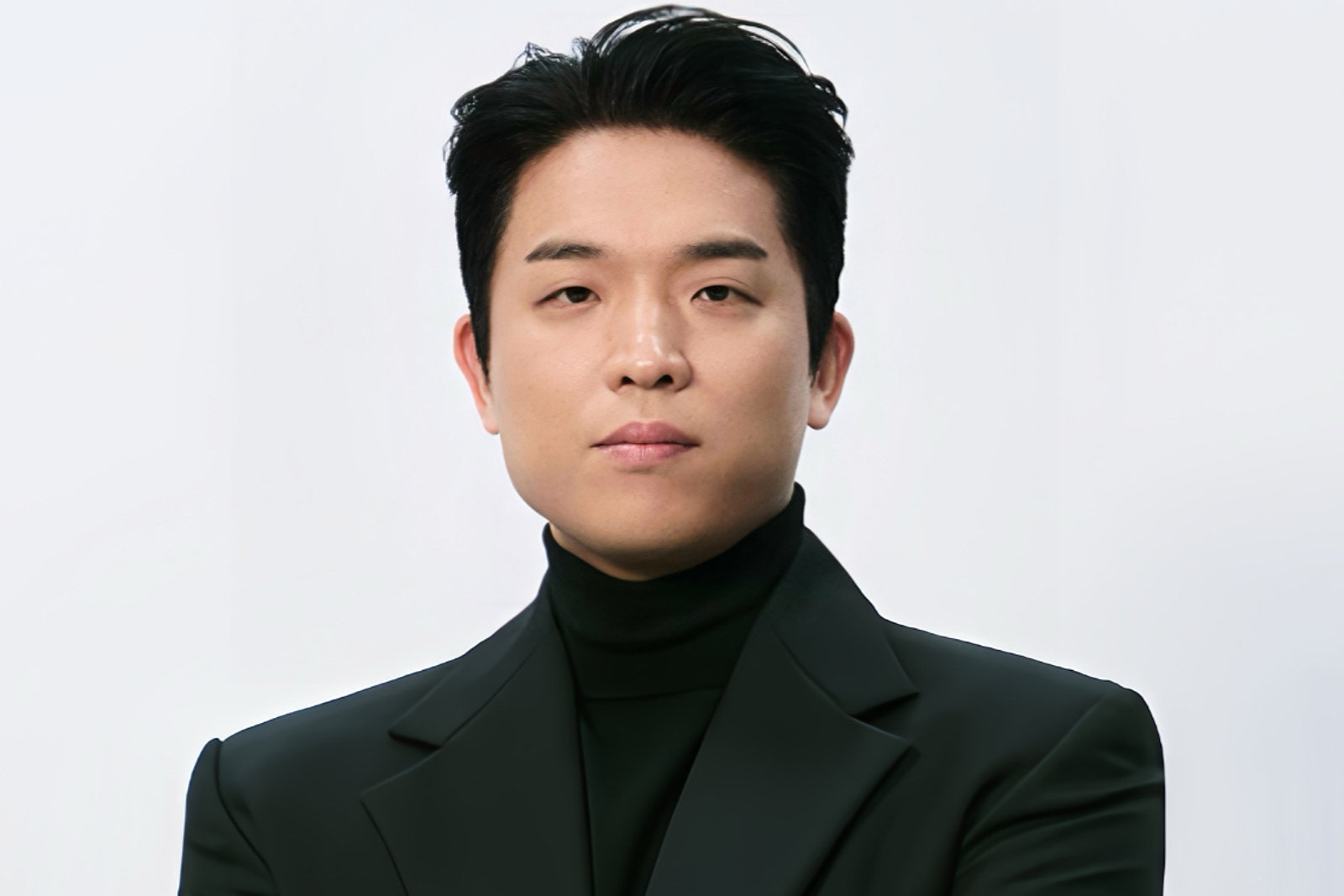
Meeting Ahn Sung-jae in person for the first time is a curiously double-edged experience — at once familiar and strange. Over the past two years he has become a household face through his role as a judge on Netflix's culinary reality series Culinary Class Wars. In the flesh, immaculate in a sharply tailored suit, he looks exactly as he does on screen — yet his gentle manner and easy smile run entirely counter to the severe, unsparing image of the "food arbiter."第一次与安成宰面对面,感觉上既熟悉又陌生。过去两年,他因为担任Netflix烹饪实境秀《黑白大厨:料理阶级大赛》评审而走入大众视野,眼前的他一身笔挺西装,与电视上没有两样,但温和言谈与开朗笑容,倒是一反“美食判官”严苛与直接的印象。
For this trip to Singapore, he appears in the guise of an ingredient ambassador, lending his presence to a launch event marking the official local introduction of Korean beef (hanwoo) and Korean pork. The 44-year-old Korean-American chef jokes: "The truth is, I was dragged here." By his own admission he is shy, unaccustomed to standing in the spotlight — but when it comes to anything involving food, culture and the dining industry, he feels he has no reason to shy away. Promoting Korean beef and pork, in particular, is a duty he could not in good conscience decline, and so he carved a single day out of a punishing schedule to visit the Lion City.这趟新加坡之行,他以食材推广大使的身份亮相,为韩牛与韩豚正式引进本地的推介会站台。现年44岁的美籍韩裔名厨开玩笑说:“其实我是被逼着来的。”他自认性格腼腆,不习惯站在聚光灯下,但只要是与食物、文化和餐饮业有关的活动,他又觉得没有理由回避。尤其是推广韩牛与韩豚,他更是义不容辞,因此特地从忙碌的工作行程中抽出一天造访狮城。
Korean beef, marrying the best of America and Japan韩牛兼容美日优势
Asked about what sets Korean beef apart, Ahn reaches for two points of reference: Japanese wagyu and American Angus. The former wins you over with the fragrance of its fat; the latter with the depth of its meaty flavour. Korean beef, he says, combines the strengths of both.谈到韩牛的特色,安成宰以日本和牛与美国安格斯牛肉作为参照,前者以脂肪香取胜,后者则是肉味浓郁,而韩牛是两者优点的结合。
"Fine Korean beef has beautiful marbling and retains its moisture. As it cooks, the fat doesn't melt away all at once, and the moisture stays locked inside the meat, preserving its structure. On the palate, you taste the meat first, then the aroma of the fat — a perfect balance." For him, it is precisely this layering of flavour that gives Korean beef its allure.“优质韩牛有漂亮的油花,并且保留了水分,烹饪时脂肪不会一下子完全融化,水分也能锁在肉里,保持肉质的结构。吃进嘴里,首先尝到肉味,跟着是脂肪的香气,形成完美平衡。”在他看来,这种风味层次正是韩牛的魅力所在。
Korean beef, he notes, lends itself to both Eastern and Western cooking techniques. His own favourite is Korean-style barbecue, and he has a particular fondness for the outside skirt, best grilled to just past medium-rare. That cut carries an intensely meaty flavour; sitting close to the intestines, it takes on a faint note of blood that first-timers might find reminiscent of liver. He adds that the grading of Korean beef is based chiefly on marbling, while its flavour hinges on more variables still — including whether the animal is a cow, a bull or a steer. For him, the most perfect combination is a 2++ grade cow, outside skirt, grilled over charcoal. At which point he laughs: "I'm starting to drool just talking about it."他指出,韩牛适合东西方料理的手法,而他个人最喜欢韩式烧烤,并且偏爱外侧腹横肌(outside skirt)的部位,宜烤至比三分熟略高的熟度。这个部位肉味非常浓郁,由于靠近牛肠,会带点血的味道,初尝者可能觉得有点像牛肝。他补充,韩牛的评级主要依据油花分布,风味则取决于更多因素,包括选用母牛、公牛或阉牛。对他来说,最完美的韩牛组合是2++等级、母牛、外侧腹横肌,并以炭火烧烤。说到这里,他笑道:“我都开始流口水了。”
Cooking Korean beef curry for his children为孩子煮韩牛咖喱
Many fine-dining chefs go to great lengths, deploying every trick in the book to make a dish more complex and more layered in flavour. Ahn takes the opposite path, paring back seasoning and cooking steps to let an ingredient's raw, unmediated character speak for itself. Time and again on Culinary Class Wars he reminded contestants to make the ingredient the star of the dish, and to keep the focus on a single principal ingredient wherever possible, so as not to dilute the flavour. "Korean beef has plenty of personality and flavour of its own. If the ingredient itself is good enough, you should let it shine on its own."许多高级餐厅的厨师都竭尽所能,通过各种烹饪技巧让菜肴的风味更复杂、更有层次。安成宰却反其道而行,尽量减少调味和烹饪步骤,直接呈现食材的原始风味,他在《黑白大厨:料理阶级大赛》中不时提醒参赛者,让食材成为料理的主角,而且尽可能聚焦一种主要食材,以免分散风味。“韩牛本身有足够的个性和风味,如果食材本身品质够好,就应该让它自己发光。“
With Korean beef now officially on Singapore's shelves, he encourages locals to cook it at home. "Korean beef is wonderfully versatile — it slips easily into all kinds of culinary traditions, and it's genuinely hard to ruin. Its flavour is so well balanced, and the way it melts in the mouth is especially glorious."随着韩牛正式在新加坡上架,他鼓励本地人在家烹煮韩牛。“韩牛非常百搭,可以融入各种料理文化之中,称得上是不容易煮坏的食材,而且风味平衡,在嘴里化开来的感觉尤其美妙。“
He has a son and a daughter, both of whom adore curry rice, so he often whips up a simple Korean beef curry at home to spoil his two little ones. He builds a light, un-greasy curry sauce on a base of seaweed soup, then sears tenderloin briefly before tipping it straight into the sauce, letting the meat juices meld thoroughly with the curry. There is no long, slow braising — the aim is to preserve the fresh taste of the beef.家有一子一女,都爱吃咖喱饭,他因此经常在家烹煮简单的韩牛咖喱宠宠两个宝贝。他用紫菜汤烹制口感清爽兼不油腻的咖喱汁,再将牛里脊(tenderloin)稍微煎过之后立即倒入咖喱汁,让肉汁与咖喱充分融合,不需长时间炖煮,旨在保留牛肉的新鲜味道。
Onto the culinary path by chance偶然踏上厨艺之路
Ahn Sung-jae was born in Seoul and moved to California with his family at 13. He served four years in the US Army, deployed to Iraq handling fuel refuelling operations, and after his discharge enrolled in a mechanical trade school. His 24th year proved the turning point of his life: he happened upon a recruitment notice for Le Cordon Bleu's Los Angeles campus, and a single line of copy — "100% employment rate" — set him stirring. And so began his path into cooking.安成宰生于首尔,13岁随家人移居加州,曾在美国陆军部队服役四年,被派往伊拉克负责油料装填工作,退伍后报读机械专科学校。24岁那年是他的人生转折点,他偶然看到蓝带厨艺学院洛杉矶分校的招生通告,文案上的一句“百分百就业率”让他蠢蠢欲动,由此踏上了厨艺之路。
After graduating from culinary school, he first manned the kitchen at Urasawa, Beverly Hills' first Michelin-starred sushi restaurant. He was later poached by Korean-American chef Corey Lee to join the starred San Francisco restaurant The French Laundry, and helped him found the restaurant Benu, which earned three Michelin stars in short order. In 2015, he opened his own restaurant in San Francisco, Mosu — a name drawn from the Korean word "kosumosu," meaning cosmos flower. Two years later he brought the restaurant to Seoul, where in 2023 it became South Korea's first three-Michelin-starred restaurant.从厨艺学院毕业后,他先是在位于比华利山庄首家米其林寿司店 Urasawa掌厨,后来被韩裔名厨Coree Lee挖角,加盟旧金山星级餐厅The French Laundry,并协助他创立餐厅Benu,短时间内获得米其林三星。2015年,他在旧金山自创餐厅Mosu,名字源自韩语“kosumosu”,意为波斯菊。两年后,他把餐厅带到首尔,于2023年成为韩国首家米其林三星餐厅。
On the question of identity — tradition versus modernity, the local versus the international in food culture — he holds that the two are not opposed but forever evolving through exchange and fusion, forging new modes of expression. "I grew up in America and currently live in Korea. I never trained in traditional Korean cooking, so I don't regard myself as a representative figure of the Korean food world. What I hope is that, through my own creativity, I can let more people taste dishes and cultures of different styles."谈到关于传统与现代、本土与国际料理文化的身份认同,他表示,两者并非对立,而是在交流与融合中不断发展,形成新的表达方式。“我在美国长大,目前在韩国生活,我并没有受过韩国传统厨艺的训练,所以我不会把自己当成是韩国饮食界的代表人物。我希望通过自己的创造力,让更多人品尝到不同风格的料理和文化。”
Judging with a measure of doubt抱怀疑态度当评审
What truly brought him into the wider public consciousness came only after Culinary Class Wars launched in 2024. What heartens him deeply is the positive impact the series has had on the industry, spurring many chefs to keep refining their craft while giving momentum to the dining scene in Korea and across Asia as a whole.真正让他走入普罗大众的视野,是在2024年《黑白大厨:料理阶级大赛》推出之后的事。让他深受鼓舞的是,此系列节目对业界产生了积极影响,激励许多厨师不断精进厨艺,同时推动韩国乃至整个亚洲餐饮业的发展。
As a judge, he must decide a contestant's fate on nothing more than a mouthful or two of the dish cooked before him. That role — one that holds the power of life and death — sits far from easily with him. "There's always a doubt in my mind. My verdicts can't possibly be right every time — after all, everyone has their own cooking philosophy, and there's no absolute right or wrong in food."作为评审,他只是浅尝一两口参赛者现场烹制的菜肴,就必须决定对方的去留。这个掌握“生杀大权”的角色,对他而言并不轻松。“我心里一直存有怀疑,我的评决不可能每次都正确,毕竟人人都有自己的烹饪理念,料理没有绝对的对或错。”
He listens to the contestants explain their dishes, seeking to understand where they come from and what they set out to achieve, so as to arrive at as objective a judgment as he can. He would not measure a dish made by a school-canteen auntie against the standards of the Michelin Guide; instead he tries to read the character of a dish from the cook's own vantage point. In truth, his exchanges with the contestants ran two or three times longer than what viewers saw on screen — the vast majority of those conversations simply ended up on the cutting-room floor.他会聆听参赛者对料理的解释,了解他们的出身背景与烹饪意图,尽可能做出客观的裁决。他不会用米其林指南的标准去品评一个学校食堂阿姨做的料理,而是试着从对方的角度去解读菜肴的特色。事实上他与参赛者之间的交流比节目中看到的多出两三倍,只是绝大部分对话最终都被剪掉了。
In the eyes of the audience, a judge embodies authority — but the role of food arbiter is, in truth, a thankless one. "A lot of people don't like me. They feel they cooked their dish perfectly well, only for me to shoot it down. In the moment of scoring, I couldn't taste the flavour they were trying to convey, so I didn't affirm it. That's all it is." There is a trace of regret in the words, yet his expression and tone remain unruffled — for the duty of a judge was never to please everyone.在观众眼中,评审代表权威,其实美食判官的角色并不讨喜。“很多人不喜欢我,他们认为自己的料理明明做得很好,却被我否定了。在评分的那一刻,我因为尝不出他们所要呈现的风味而没有给予肯定,就是这样。”言若有憾,但表情和语气依旧淡然,毕竟评审的职责从来不是取悦所有人。
From celebrated chef to online star从名厨到网络明星
Having served as a judge on Culinary Class Wars for two consecutive seasons, Ahn has seen his career expand well beyond the kitchen. Not only has he signed with a talent-management agency, but a year ago he also launched his own YouTube channel, where he invites actors and chefs to cook, explore eateries and chat with him — and his subscribers have already surpassed a million. One of the channel's runaway hits is a video in which he and his daughter make Korea's recently ubiquitous "Dubai chocolate chewy cookies," amassing close to 25 million views in total.连续两季担任《黑白大厨:料理阶级大赛》的评审,安成宰的事业发展不再局限于厨房,他不仅签约艺人经纪公司,还在一年前开设个人YouTube频道,邀请演员和厨师一起做饭、探店和聊天,订阅人数已突破百万。其中一支很火的视频,是他与女儿一起制作韩国最近超流行的 “迪拜巧克力Q弹饼干”,总观看量接近 2500万次。
He admits candidly that posting short videos on YouTube began simply as a matter of convenience. "I was constantly getting a flood of questions across different social platforms, and it was hard to sift through and reply to them one by one — so I just opened my own channel to share my thoughts and cooking philosophy all in one place." For him, this content carries a certain instructional value while retaining a lightness and entertainment, so that different viewers can each take from it what they need.他坦言,在YouTube上发布短视频最初只是图个方便。“由于经常收到来自不同社交平台的大量提问,我很难逐一筛选与回复,于是干脆开设个人频道,集中分享自己的想法与料理理念。”对他而言,这些内容既带有一定的教学意味,也保留了轻松的娱乐性,不同观众都能从中各取所需。
Four years ago he opened Mosu's first overseas branch in Hong Kong. Asked whether he might one day consider setting up shop in Singapore, he smiles: "No plans for that at the moment." The words barely settle before he adds, lightly: "But I'd rather not close the door on it completely." It is a remark that seems to leave a window open onto the future, carrying with it the faintest breath of anticipation.四年前,他在香港开设Mosu首家海外分店,当问及将来是否会考虑在新加坡设店,他微笑说:“暂时没有这个打算。”话音甫落,他又轻描淡写地补充:“不过,我不想把话说得太满。”这一句像是为将来开启一扇窗,轻轻捎来期待。
Tags:Tags: